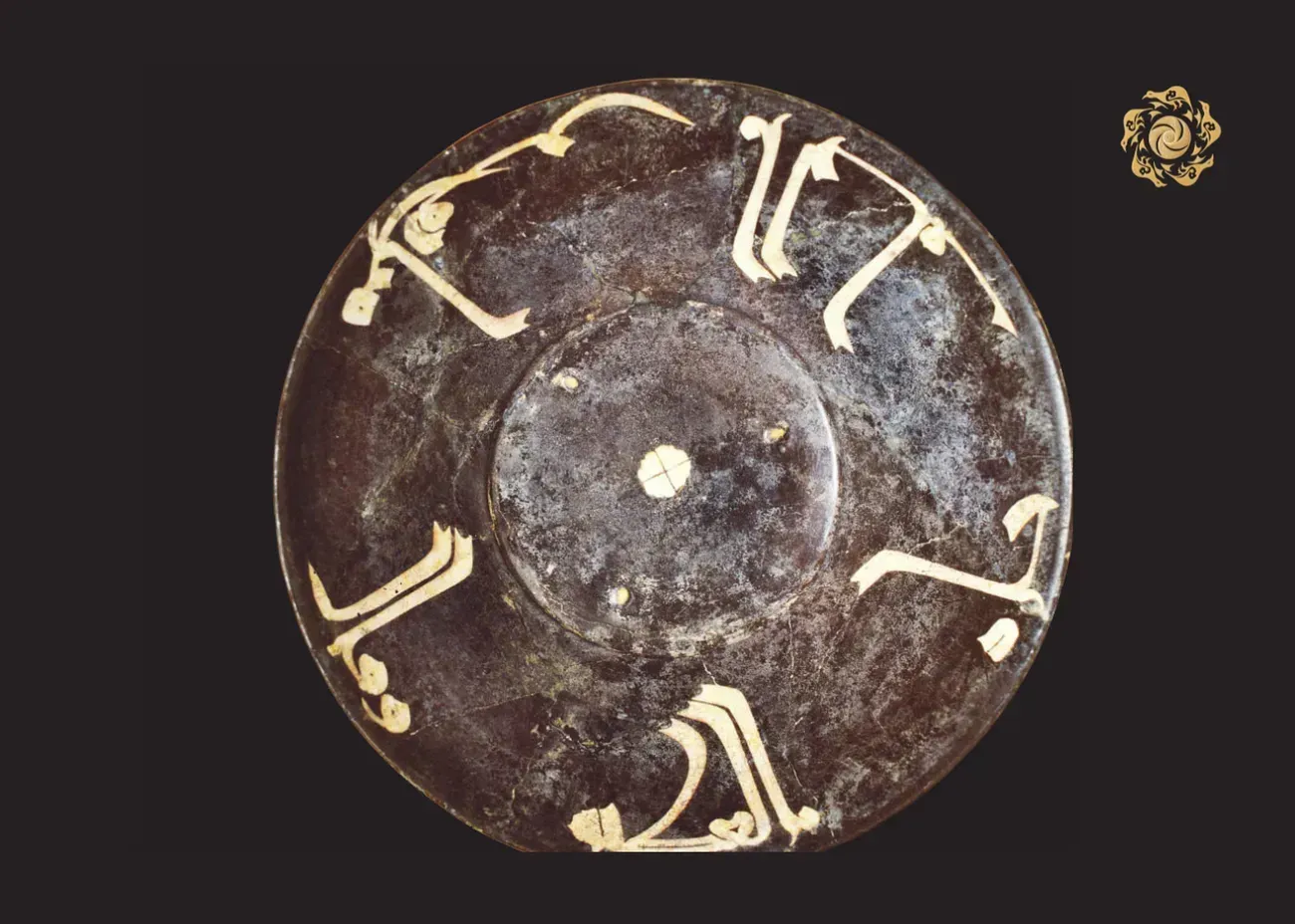
In the history of medieval ceramics in the territory of Uzbekistan, products representing the Afrasiab period (IX–XII centuries) are mentioned as a vivid phenomenon. Afrosiyob pottery is distinguished by the abundance of various artistic styles and the harmony of colors.
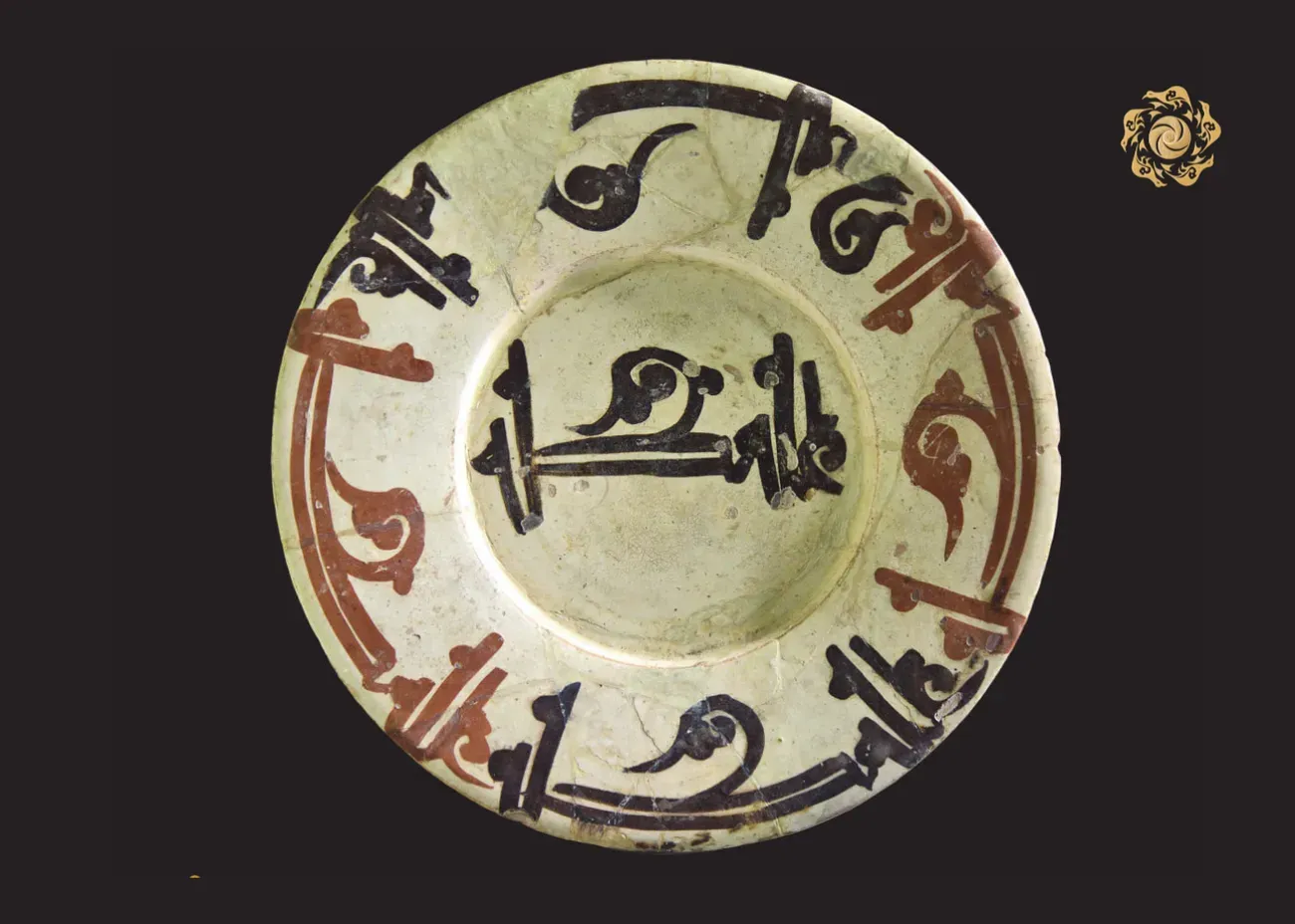 | 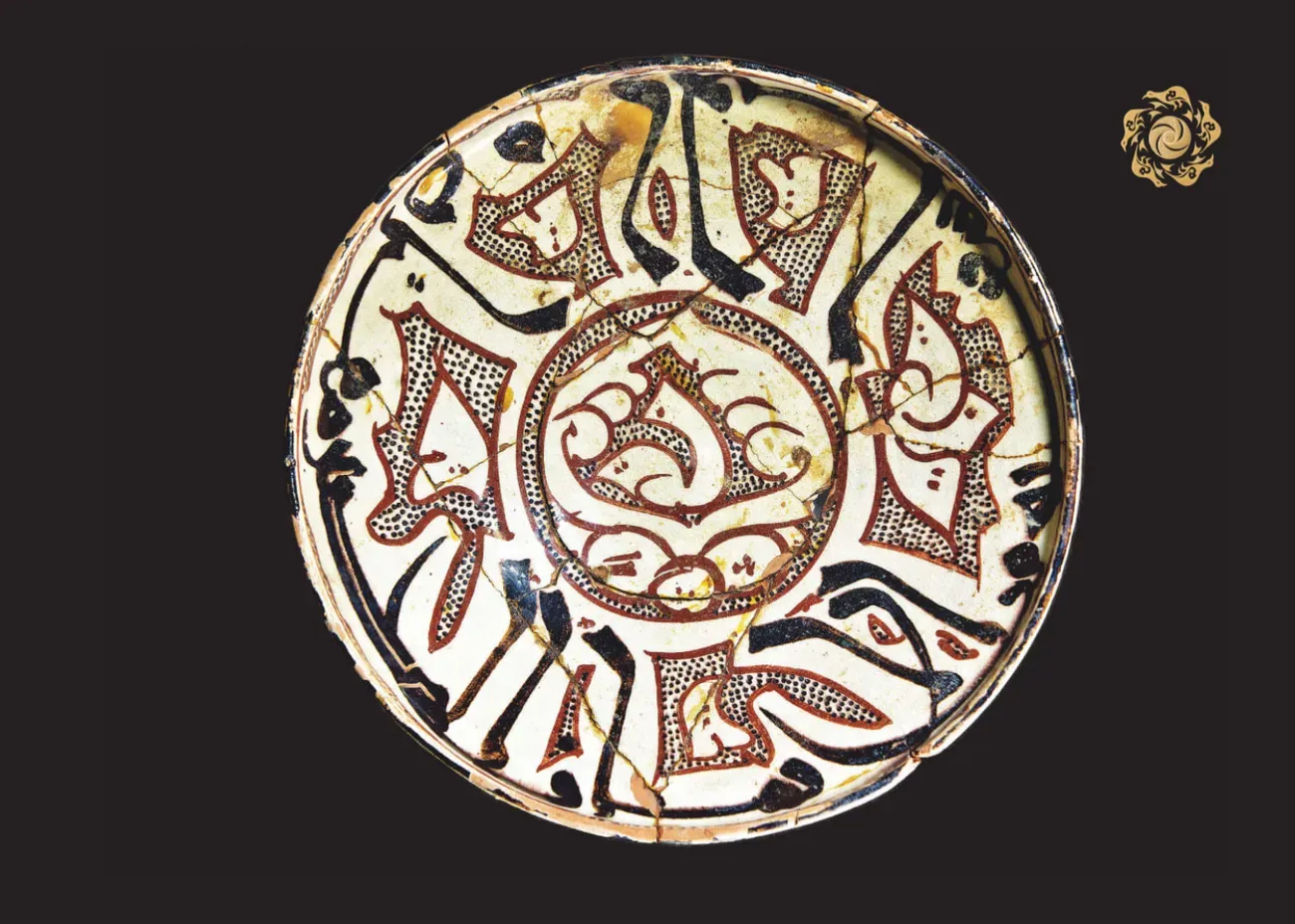 | 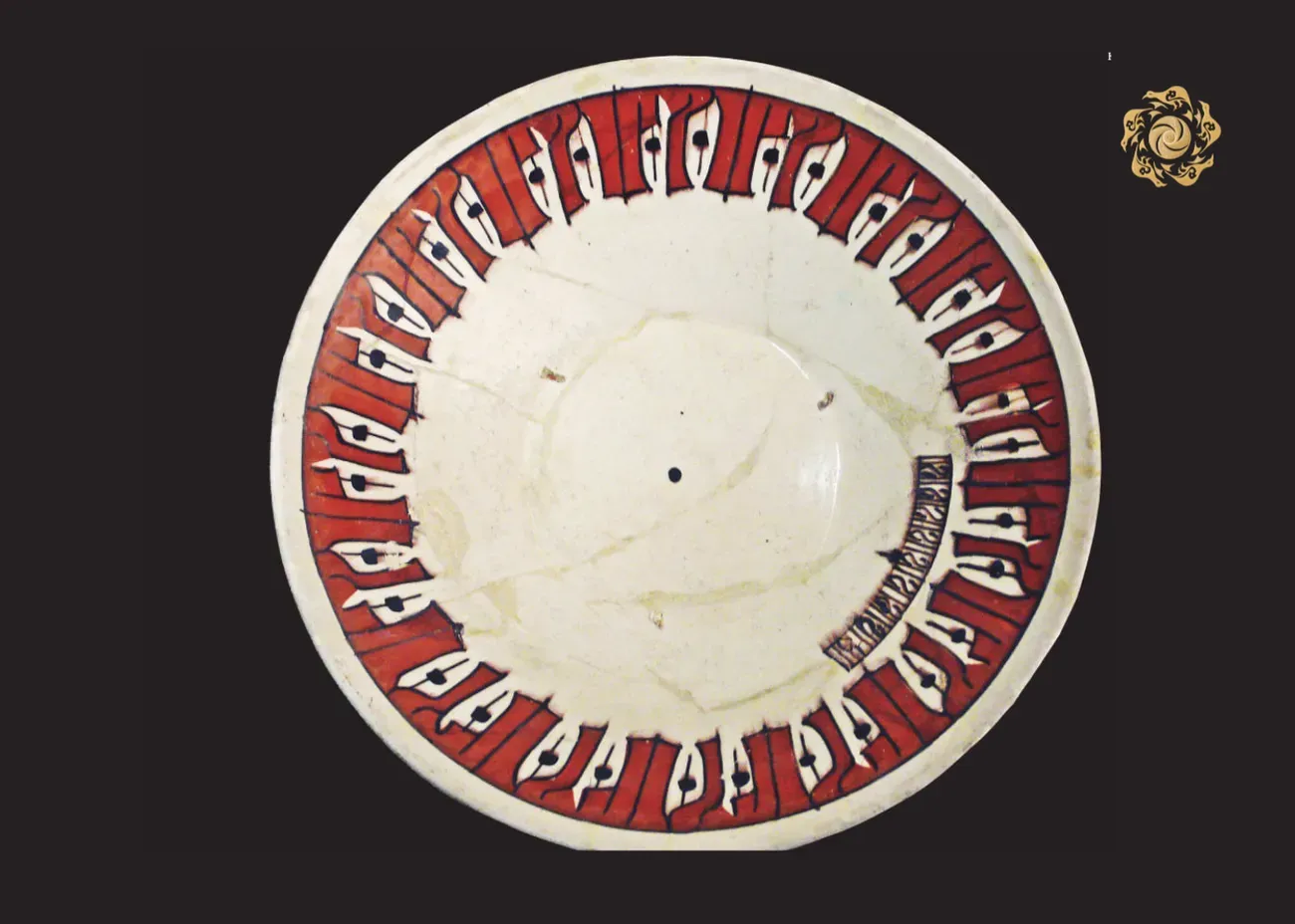 |
For centuries, our ancestors have held feasts during holidays. Pilaf was always served on a large clay platter. Only after the pilaf was completely eaten was the beauty of the platter revealed. Sometimes verses from the holy book, sometimes instructive phrases, and sometimes words of gratitude were written on intricately patterned lines.
The inscriptions on the rims of ancient ceramic dishes and bowls served as the first social advertisement, bringing ideas of goodness and enlightenment to the people. When the texts were viewed at a glance, they looked like beautiful patterns rather than letters. This was the unique patterned language of Afrasiab pottery.
On the surface of the Afrosiyob platter, painted in red-brown, white, or black, the craftsman inscribed an ornamental text in another color, turning the vessel into a true masterpiece of art with a few movements of the brush. It is precisely at this moment that Time itself guides the potter's hands.