
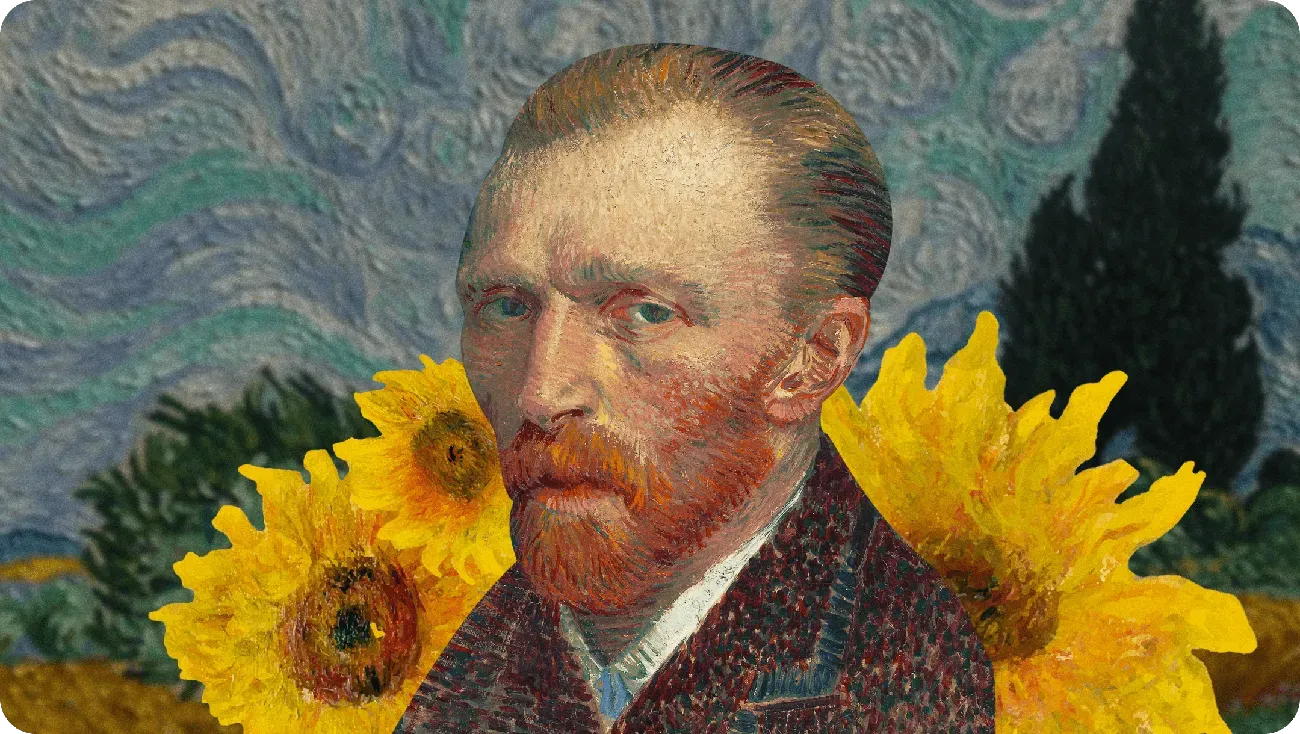
One of the most famous and influential figures in the Western art world is the artist Vincent Van Gogh. He lived for 37 years, created for only 10 years, and during this time created more than two thousand works. However, the artist's talent was not duly recognized during his lifetime. Today, even people unfamiliar with fine arts recognize his works and are valued at the highest prices at auctions. Van Gogh's work continues to inspire artists around the world today...
Childhood
Vincent Van Gogh was born on March 30, 1853, into the family of Theodore, a clergyman living in a small town in the Netherlands. In his childhood, he didn't like playing games on the street with his peers, preferring to spend time alone in nature, watching the sky, clouds, and bird flights for hours.
The father was very strict, the children had to do as he said. His mother, Anna Carnelly, on the contrary, was kind, gentle, and always tried to alleviate the difficult atmosphere in the house. Vincent's stubbornness and excessive emotional susceptibility worried his parents, and when the boy didn't follow their lead, the relationship became tense. The only person who understood Vincent was his younger brother Theo.
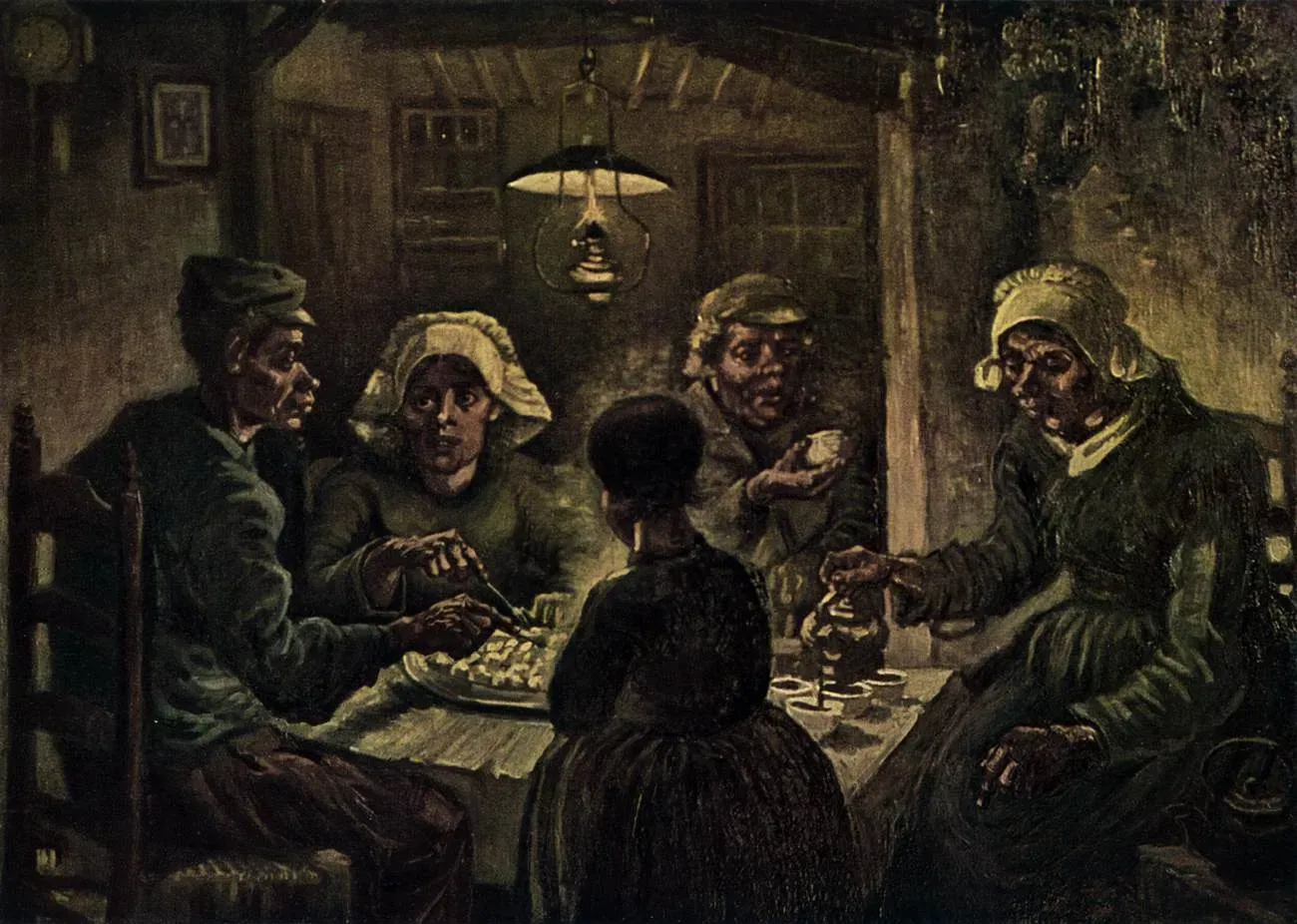
"Potato Eaters": a scene from the life of poor peasants
At the age of 20, Vincent traveled to The Hague in search of identity, where he began trading in paintings. He tried to continue his work first in London, then in Paris. But he won't succeed... He spent almost ten years of his life in this way.
Meanwhile, he developed a passion for painting. His younger brother Theo was not only his adherent but also his financial supporter. With the money Teo gave him, he bought paper, pencils, and paints and began to create. His first major work is the painting "Potato Eaters." He worked on the work for months, his intention was to sell the painting for a large sum. Unfortunately, this painting was criticized and did not sell. Vincent is deeply saddened by this...
"Yellow House"
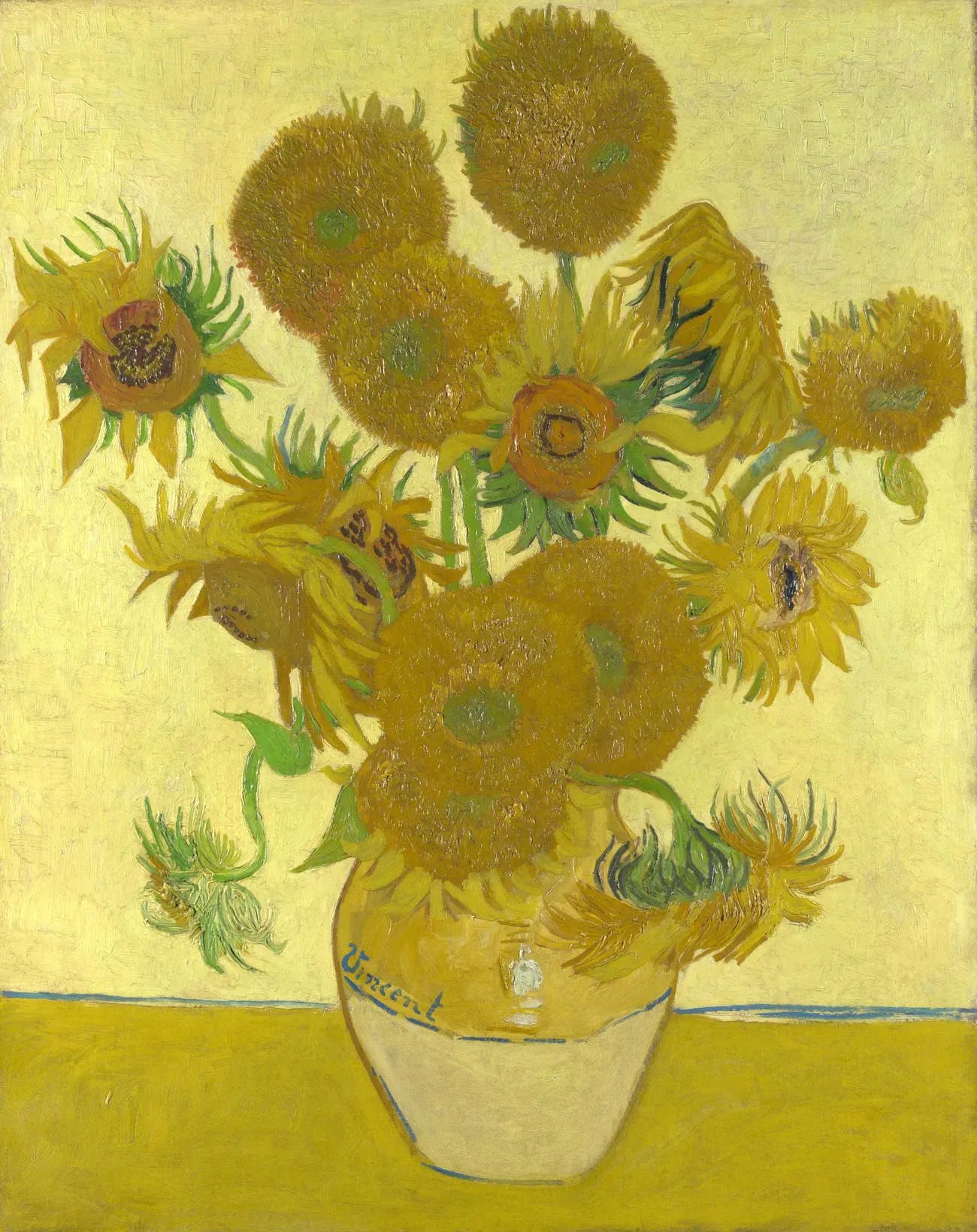
The city of Paris was a center of fine arts. Creators of the new direction (impressionists) organized a series of exhibitions. Vincent van Gogh also arrives in Paris, unable to find bright, warm colors in this city, and heads to Arles in southern France. Van Gogh was inspired by Arl's landscape, his brush was flying. Having named the rented apartment "Yellow House," he plans to create a creative space for artists. At that time, he invited the renowned artist Paul Gauguin. She creates several paintings depicting a sunflower plant to decorate the house. The artist loved yellow very much, considering it the "color of happiness."
The "Cut Ear" Story and the End
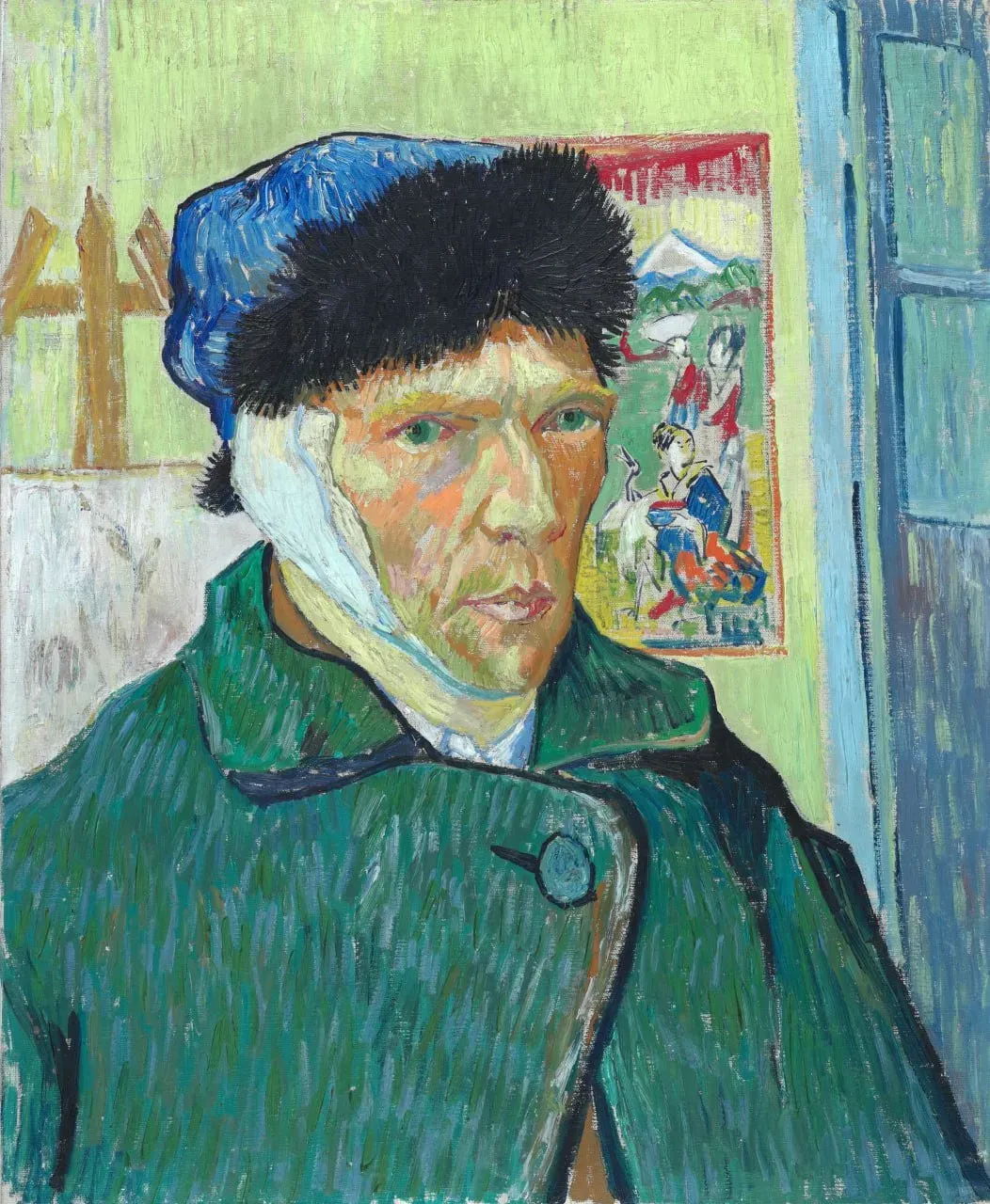
Over time, the relationship between Van Gogh and Gauguin became strained. Hagen's constant criticism weighed heavily on him. One day they had a serious argument, and Gogen left the "Yellow House..." Deeply offended by this, Van Gogh cut off half of his ear with a shaving machine...
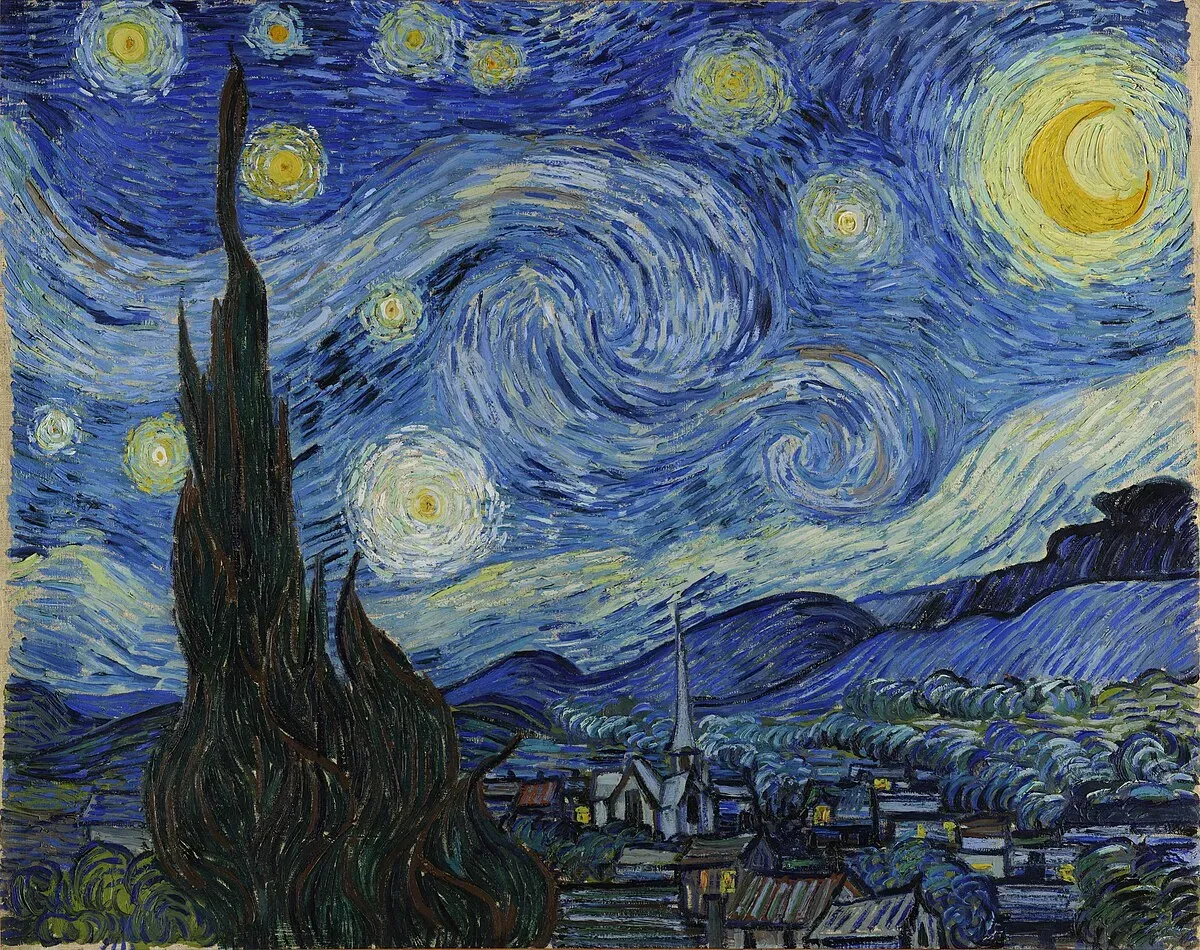
After that, he was admitted to a mental hospital. Here, conditions will be created for his creative work. Drawing calmed her, made her forget her worries. The painting "Starry Night," which depicts the view from the window of the room, was created during the struggle with this mental illness. It depicts seemingly moving circular stars, the radiating Moon, the shimmering sky above the village, and cypress trees. This style simultaneously reflects Van Gogh's inner anguish and hope. In one of his letters to his brother Theo, he wrote: "Night seems more alive to me than day."
Van Gogh felt as if his time was running out. Working 10-12 hours a day, he created about a hundred works in seventy days. But he couldn't sell any of his works, and he felt unlucky, unhappy.
July 1890. As usual, Van Gogh woke up early, took his tools, and headed to the field. That day, for some reason, he had also put his pistol in his pocket. He wounded himself with it and returned with severe pain. His brother Theo was informed. When he arrived, his brother was half-dead. The brothers spent their last moments together, having a long conversation. "Why did you do that?" asked Theo. "Sorrow will last forever," Vincent replied and bid farewell to life.
He didn't see these days...
Six months after Van Gogh's death, his brother Theo, unable to bear this separation, died at the age of 33 due to psychological stress. His widowed wife collected and published letters from the brothers, organized exhibitions. After 10-20 years, Van Gogh's paintings were sold at the highest prices. But the artist himself did not see these days.
In his last letter, Van Gogh wrote: "In fact, our canvases should speak for us." It happened as he wished: instead of him, his works are speaking.
Source: newspaper "Darakchi"